
Policies/Rules as the Manifestation of a Nation’s Character: Deviant People, Ego-Gratification Pursuits, and Damage of Ecosystems
Source: https://pixabay.com/illustrations/tri-delta-delta-delta-delta-sorority-651442/
This article provides an overview and implications of recent rules that eliminate protections and pave the path for the murdering of the gray/Mexican gray wolves and the Alaskan bears.
- The gleeful stab at promoting the murder of animals does not reflect the image of a civilized nation.
Decisions that display a disregard for bionetworks and the lives of others denote a lack of moral responsibility and low commitment to the advancement of civilization.
A predatory and abusive mindset dismantles the safeguarding of the very environment that sustains mankind. Furthermore, the underlying agenda for promoting killing sprees is often political - land use, wildlife management, and hunting rights. Ultimately, decisionmakers and trophy hunters’ deviant dispositions pose an existential threat to the public.
We deserve respectable leaders, not grifters and demolishers.

Humans v. Animals: An Aberrant Mindset with The Need for Ego Gratification -
The culling of wildlife has always been an expression of mankind’s arrogant entitlement “to control” the animal population. It is also a warped means to achieve ego gratification goals.
Kirk Robinson, executive director of the Western Wildlife Conservancy, wrote, “The animals are entirely innocent creatures killed only for ego-gratification and fun. It's time we began to see this practice as akin to murder.” Cyril Cristo, conservation photographer and writer, stated, "Trophy hunting is artificial selection… Trophy hunting stops evolution or rather causes reverse evolution.”
The intention to inflict pain and death on animals, along with the subsequent display of body parts, or their entire corpses, is typical of the perverse mindset of a trophy hunter. An expansive laughter at the prospect of murder is not only repulsive; it is also a sign of the moral scission within the psyche of deviant individuals who crave dominance and extermination. This disengagement is heightened by a thrill-seeking desire.
Animal cruelty has often been linked to violent antisocial behavior. While not all hunters are fully affected with this disorder, hard-core hunters and enablers may exhibit various degrees of the Dark Triad of psychopathy, narcissism, and Machiavellianism. It is also reasonable to advance that those individuals are likely dangerous to other beings, including people. Given their callousness and thirst for an arousal-seeking event, or imagery, they are bound to pursue a more challenging target to gain the same degree of gratification.
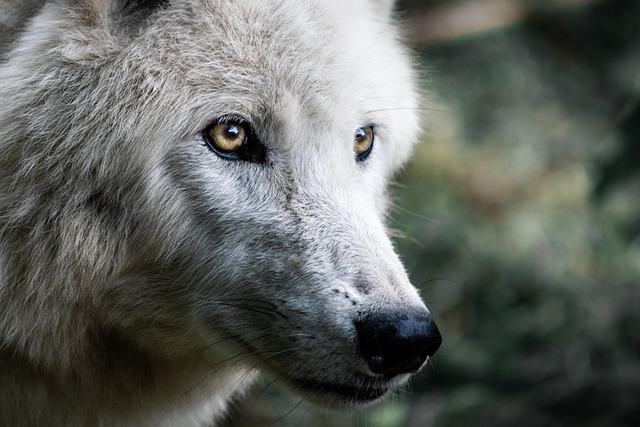
THE END OF THE PROTECTION STATUS FOR WOLVES IN U.S. -
By executive order of September 4th, endangered species protections for gray and Mexican gray wolves risk deterioration, likely leading to their brutalization and murder. The decision was based on unverified harm suffered by ranchers. Wisconsin Rep. Tom Tiffany (R) has led this legislative effort in the House and claims that these animals are responsible for pets and livestock losses in his state.
Already weakened by House Republicans in 2020, the end of the protection status would obliterate decades of meticulous work to abolish unjustified hunting. It would set back the reintroduction of wolves in their environment. Furthermore, a distressed ecosystem would give rise to a more serious imbalance and damage.
Humans v. Wolves: Misinformation and Animosity –
The proximity of many wild animals to people has occurred because their habitat has been aggressively restricted. The extent of the harm to pets and livestock has been frequently inflated to justify their annihilation. Reports of numbers of attacks on livestock and patterns of wolf behavior are regularly incorrect. According to Sara Amundson, president of Humane World Action Fund, “Fewer than 1% of cows and sheep are killed by wild carnivores, including wolves, according to U.S. Department of Agriculture data.”
Kitty Block, president and CEO of Human World for Animals, has pointed out that decisions should be based on science. The killing of the gray wolves does not reflect a scientific reasoning and would instead upset the health of the ecosystem. A well-balanced ecosystem provides enough prey for wolves. If this balance is tilted, then further degradation should be expected.
Wolves possess high level cognitive functions. They are community-family oriented and maintain a strong social organization with specific roles. They are problem solvers and exhibit levels of sophisticated communication.
Animals with a high intelligence quotient and a highly functioning societal structure frequently become victims. Some humans tend to resent the species that have high cognitive and survival skills. Storytelling, folklore narratives, and symbolism contribute to the reinforcement of negative feelings.
Hatred and ignorance favor a fertile ground for heinous acts.
In the late 19th century, campaigns of eradication of wolves involved the use of poison and infecting agents, and other actions to cause slow and painful deaths. Similar tactics continue to appeal to perverted minds. The consequences can eventually extend to other animals and humans by virtue of the infiltration of toxic residues and contaminants into soil, water, and through skin contact.
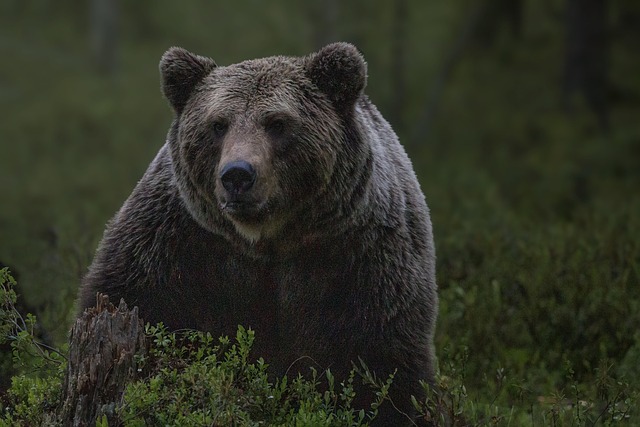
THE RULE TO MURDER BEARS IN ALASKA -
On October 16th, this administration finalized a National Park Service rule, allowing the alluring of bears, or bear baiting, with human food and sweets to then kill them on the National Preserves grounds. The decision has been connected to an alleged need for the management of the caribou population.
In 2025, a letter by Safari Club International, one of the main trophy hunting groups, and a petition by the Alaska Outdoor Council asked for a roll back of the protection that had existed since 2016. This nefarious provision includes other points that blatantly disregard public safety, allow for the indiscriminate collection of various animals’ body parts, and compromise the survival of the rural population.
A 2024 study and article by Lafferty and colleagues pointed out that bear baiting could lead to behavior modification, including more frequent and negative encounters between bears and humans. Bear baiting is not only devious; it is also not in line with ordinary bear management methods. The authors confirmed the risks posed by bear baiting to the animals themselves and the safety of humans, and the long-term consequences of human food-conditioning of bears.
There has been overwhelming opposition on the part of Alaska residents, including several negative comments and at least 75% of people declaring disagreement. Furthermore, this movement has been expressed by a decade-old effort to eliminate trophy-hunting practices and expert opinions against this practice, which would significantly increase the possibility of human-bear conflict. Yet, malevolent individuals are indifferent to the will of the people and the welfare of the ecosystem, even at the cost of going back to court to suppress the opposition.
Humans v. Bears: Misinformation and Animosity –
Amundson has indicated that, “This rulemaking is a stark reminder that wildlife protections can be erased with the stroke of a pen when politics overrides science.”
In 1990s, bears killed an average of three people a year across the U.S. and Canada combined.
Contrast this figure with U.S. 96 residents killed by dogs in 2023; 60-100 people who die of complications after being stung by bees, wasps and hornet every year; and 20 people killed by lightening a year.
Arkoudaphobia, or fear of bears, can lead to exaggerated apprehension and unnecessary actions often in lieu of reasonable measures.
Once again, misinformation is caused by the negative portrayal of bears via movies and folklore stories. Some incidents of economic damage in areas too close to bear habitats have contributed to fear and hatred. Incidents are frequently sensationalized, while factual information about circumstances and peculiarities about species may not be available.
Bears are feared and despised because of their size and power. Grizzly bears are highly intelligent, strategic, and problem solvers. Black bears display patience and resilience, while adapting to various situations. Brown bears have been identified as the masters of survival, thanks to their physical and social characteristics, as well as their sensory skills – all enhancing their spirit of adjustment to various environments.
A Nation’s Character and The Preservation of Ecosystems -
Political ethicist and anti-colonial nationalist Mohandas Karamchand Gandhi (1869-1948), aka Mahatma Gandhi, once stated: “The greatness of a nation can be judged by the way its animals are treated.”
A nation’s excellence is expressed by the compassion and respect shown towards human or non-human beings and by the achievement of healthy ecosystems.
“For everything God created is good, and nothing is to be rejected.” – 1 Timothy 4:4
“That you do not transgress within the balance.” - Surat Ar-Raĥmān (The Beneficent) · 55:8
“Dharma exists for the welfare of all beings. Hence, that by which the welfare of all living beings is sustained, that for sure is dharma.” - Mahabharata - Shanti Parva 109.10
"When you wake up and you see that the Earth is not just the environment, the Earth is us, you touch the nature of interbeing." - Thich Nhat Hanh
WE DESERVE BETTER
Integrity, Education, and Government Duty to Protect –
Politicians and other officials should demonstrate they are committed to maintaining wholesome ecosystems. This includes policies that are made in good faith and based on evidence-based strategies.
We also deserve to live in a nation that progresses in a healthy manner and limits the opportunities for deranged behavior.
- Integrity, compassion, and respect are among the desirable traits of a nation’s character. This should encompass the appreciation for the life and wellbeing of all species and the ecosystems which mankind is deeply connected to and depends on.
- Wolves have a critical ecological role. They regulate coyote populations, provide scavenger support for other species, and support biodiversity. A healthy ecosystem provides a predator-prey balance. When humans manipulate the environment and/or compete with wolves for wild prey, such as deer and elk, wolves are then likely to seek cattle. Issues start when animals become accustomed to a changed situation or are food-conditioned, often due to human behavior. They will then act to survive, particularly if motivated by diminished obstacles and opportunity. Finally, the significant reduction in the number of certain species disrupts the food chain.
- Feasible and non-violent solutions to discourage negative encounters are available. Existing compensation programs for affected farmers and ranchers can be adjusted per proven loss. Maintaining an ecosystem includes non-lethal strategies to deter encounters between wildlife and livestock. In fact, many ranchers already use guard dogs, electric fences, and fladry. In 2018, a rancher in Colorado successfully kept wolves away by assembling a couple of inflatable tube men. Range riders can assist in keeping cattle safe when it free grazes.
- Steven Herrero, professor emeritus of ecology at the University of Calgary in Canada, has researched and contributed to human-bear conflict management. He has studied their behavioral patterns and has favored the use of bear spray as a defense instrument instead of firearms. Fuhermore, he has insisted on regulations and safety measures for campgrounds and other areas where bear-human conflict may ensue. Rather than characterizing bears as malicious, Herrero has adopted a scientific-humanist approach that encompasses prevention, conservation, and coexistence.
- Wildlife has the right to be. Coexistence is not optional. It is unrealistic for mankind to expect that other beings should be eliminated from an environment they have the right to be part of and that they also contribute to.
Integrity, compassion, and respect work in tandem as the foundation of an honorable society. When even one is deficient, instability percolates through various levels of life and subsistence.
©2026 Dr. Rita Pavone | OnPoint Research and Consulting
Tariffs, High Prices, Imports, and Health Concerns: When Bad Economic Policies meet Lack of Accountability

Bad Economic Policies -
The U.S. agricultural industry has been dealing with market volatility, increased fertilizer costs, changes in trade policies and agreements, global tariffs with temporary reversals/retaliatory actions, and lowered numbers of exports (i.e.: $16 billion fall for China and $1.3 billion fall for Canada). Fuel costs have continued to rise. On September 7th, gas prices went higher than $4.00 per gallon and diesel prices were recorded at a national average of $5.85 per gallon. Diesel prices have risen more than 60% since the U.S. and Israel attacked Iran in February. As of September 10th, the price of diesel rose past $6.00 per gallon and up to $9.99 per gallon in parts of California. High gas and diesel prices affect transportation and the supply chain.
Domestic herds’ numbers have fallen to the lowest levels since 1951, with beef production expected to tumble to about 4% this year according to USDA experts, while food prices have continued to rise, with an estimated $6.89 a pound for ground beef as of July.
Additionally, the U.S. no longer benefits from a free market in the food industry. A monopoly or a strict oligopoly exists at the supply chain. This system reigns in the farming and ranching sector, thus driving farmers and ranchers out of business. This consolidation phenomenon also affects the consumers’ food market by making products unaffordable.

Imports of Meat Products and Domestic Processing -
The U.S.-Mexico border was reopened to cattle supply recently. However, livestock imports risk weakening the domestic market stream and ranching investments. Aside from the threat of the New World screwworm (NWS) to livestock, operational issues and market fluctuations are among the factors that have caused disruptions.
Ranchers have been encouraged to process their own meat for sale; however, this process is subject to costly food-safety and inspection requirements. Current plans to import tariff-free beef products from Argentina and Brazil have led to criticism by ranchers and some members in Congress. The National Cattlemen's Beef Association, the American Farm Bureau Federation, the Livestock Marketing Association, and the United States Cattlemen’s Association have expressed concern about the devastating effects that this measure will bring to the industry, which will need years to recover.
In contrast, in March, China rejected 24.2508488 tons of beef from Argentina, due to traces of a prohibited antibiotic, chloramphenicol. In August, Florida recalled 29,628 pounds of raw Argentine beef, due to a lack of import pre-inspection. On September 3rd, the European Union (EU) suspended imports of meat products from Brazil, following non-compliance with EU antimicrobial rules.
In U.S., some of the complaints encompass possible health issues, lower quality meat, and meeting inspections challenges. According to R-CALF USA, an independent cattle producers' union, the standards are different when comparing domestic and international practices. In addition, the country-of-origin labeling (COOL) for beef remains a non-mandatory provision.

Manipulations of Voters –
A 2024 study about consumers’ views on the elected officials’ ability to ameliorate food prices, found that approximately 70% of the respondents believed in the politicians’ competency to effectively decrease food prices. Promises made by politicians on their campaign trails coincided with the public’s voting aspirations for the election of their preferred candidate(s).
As elections approach, this administration is claiming a commitment to the welfare of the public and the agricultural sector. But these are efforts to appease segments of the population in hope to influence voting. The current administration has produced the Ensuring Affordable Beef for the American Consumer executive order to quadruple imports of beef from Argentina. Brazil is a nation that could benefit from the “Further Ensuring Affordable Beef for the American Consumer” plan that was announced on August 26th. Beginning September 1st, imports of approximately 100,000 metric tons (MT) per month of lean beef trimmings will roll for three months under a temporary tariff-rate quota (TRQ) suspension. Lean beef trimmings will be blended with fatty domestic meat to make ground beef.
Imports of potentially contaminated meat, or chemically processed beef trimmings, will continue and remain mostly unnoticed by most consumers, who might be appeased by temporarily lowered prices instead.
Underscoring the ‘affordable beef for the American consumer’ remains a gimmick to influence the constituents. Along the same line, imports have been pushed as an opportunity to provide “space for American ranchers to grow the domestic herd.” Yet, this move will not fill the supply gap in the long term. Instead, it can lead to price competition, which will harm the domestic market. Furthermore, the timing of these imports coincides with the peak of the sale period for agricultural products and may damage domestic sectors.

Unsafe Meat Products and Health Issues -
Lean Beef Trimmings or Pink Slime?
Circa 2012, it was discovered that ammonia-treated beef, also known as pink slime, landed in trays of ground beef at grocery stores and in school lunches. The story soon disappeared from the news, when the United States Department of Agriculture (USDA) decided that no labeling or further provision was needed if up to 15% of ammonia-treated beef was inserted in ordinary beef products. Later, the name was changed to lean finely textured beef (LFTB), aka lean beef trimmings.
LFTB is a by-product of what remains after cutting the original meat into roasts and steaks. These high fat content trimmings are susceptible to bacterial contamination. To use them as fillers, a 100 degrees heat procedure is performed to liquify the content and separate the fat from the proteins, with the latter being treated with ammonia gas, which changes into ammonium hydroxide to raise the pH level of the product. This process should eliminate bacteria contamination, but it is not always successful. The final trimmings are then combined with other meat products to become ground beef.
Ammonia is an alkaline solution used as a cleaning agent. Food -grade ammonium hydroxide is a solution in which the gas dissolves in water. When the USDA initially permitted treated LFTB for consumption, it did so without making sure that safety risks had been debunked independently. According to 9 CFR 319.15(a), ammonium hydroxide is not considered an ingredient, or its use would be non-compliant with federal standards. Therefore, it was regarded as a treating or pH adjustment agent, while no labeling is provided and scarce information is disseminated.
LFTB is still used in hamburger meat at many grocery stores, fast food places, and restaurants. Some of the supporters of this by-product maintain that “"it's just beef, dude" or “isn't all that bad… [and that} the ammonia treatment isn't unhealthy either.” Yet, generally regarded as safe (GRAS) by the FDA, ammonium hydroxide has not yet undergone a study to investigate the safety threshold in consumption. The only literature available refers to the existing natural ammonium hydroxide, and not when it is ‘added.’
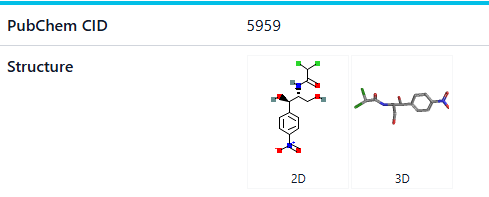
Chloramphenicol
Chloramphenicol has been linked to serious blood disorders in humans, including irreversible aplastic anemia, a condition in which the body stops producing enough new blood cells, and bone marrow suppression.
Image Source:
A link between chloramphenicol and liver disease has been found. An article by the National Center for Biotechnology Information (2026) goes over the chemical structure of this antibiotic and includes notes on its toxicity to human health.
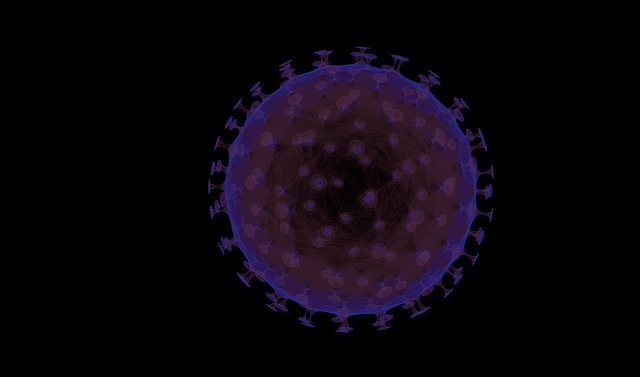
EU Antimicrobial Rules
Article 118 of EU Regulation 2019/6 has extended the EU’s antimicrobial resistance (AMR) rules from veterinary medicine to imports of animals and animal products from non-EU countries. AMR, one of the most urgent health challenges, occurs when bacteria, viruses, fungi, and parasites develop immunity to medicines. This creates a severe obstacle for the treatment of infections and the containment of the spread of illnesses. The rules limit the overuse of antibiotics in human medicine and prohibit the use of antimicrobials for the acceleration of animal growth or an increase in production.
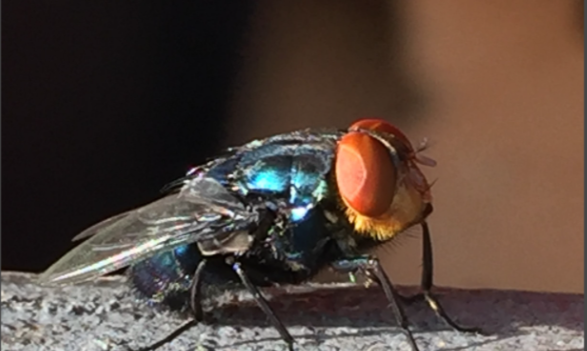
New World Screwworm (NWS)
The NWS is a type of fly that feeds on dead tissue. The larvae hatch in open wounds, and mucous membranes, causing infection, pain, and ultimately death. After decades of control, the recent phenomenon is linked to imports from south of the border.
Image Source:
New World Screwworm Life Stages
This parasite is harmful to livestock, pets, wildlife, birds, and humans. According to the CDC (2026), a female screwworm can lay 200-300 eggs at a time and possibly up to 3,000 eggs during her 10- to 30-day lifespan. Humans may become infected if they closely work with livestock and/or wildlife. People can be victims of the NWS if they live in areas affected by this parasite. Individuals with a weak immune system, mental disability, malnutrition, alcohol abuse, poor hygiene, and poor housing conditions may also be at risk.
Legislative Efforts and Alternatives –
- The expansion of the anti-trust enforcement would ensure a dilution of concentration of power and resources in the hand of a few and foster competition. On March 5th, the Family Grocery and Farmer Relief Act was introduced and presented as a “pro-consumer, pro-competition, pro-worker and pro-farmer bill.” This Act would require meatpacking corporations to select one line of business only rather than maintaining a monopoly across many areas. In the beef sector, it would establish caps on concentrations at the regional and national levels, while also tasking the Federal Trade Commission (FTC) with requiring divestitures once those caps have been reached.
- The enactment of the Stop Price Gouging in Grocery Stores Act of 2026 would ban corporations from using technology for price gauging. On February 12th, U.S. Senators Ben Ray Luján and Jeff Merkley introduced this bill following reports of grocery prices increases based on consumers’ personal data. The technology in question provides for the creation of a consumer’s profile, along with the collection of biometric data, to then determine which price to charge to each consumer. Among various directives, this Act would establish the prohibition of surveillance pricing and require grocery stores to disclose the technology used. Kroger and Walmart are retailers that have implemented this contested practice.

- Ammonium hydroxide is not the only component that can make meat safe for consumption. Citric acid is found in nature and is a great substance to use to reduce bacterial growth. High-pressure processing (HPP) and steam pasteurization are other preferred methods that do not rely on chemical additives. Furthermore, the use of natural methods is also better received by consumers.
- Unadulterated and sustainable products may be the safer choices. USDA certified organic meat may be a safer option. Organic food standards prohibit the use of ammonia to treat meat against bacteria. § 205.105 prohibits the use of some synthetic substances and methods. Additionally, the use of dyes to give a pink color to the meat is not allowed. Organic meat contains fewer harmful bacteria and no antibiotics and growth hormones. Additional benefits include omega-3 fatty acids, less cholesterol, and antioxidants.
© 2026 Dr. Rita Pavone | OnPoint Research and Consulting

Current Board Member and Public Relations Chair








 Print
Print 